We got rid of Poland's right-wing government. The hardest part? The liberals that came next.
Nearly three years ago, Poland was the world's favourite democracy success story. Eight years of authoritarian rule were defeated at the ballot box. But today the idea that Poland is undergoing a truly progressive transformation is dead. What happened?

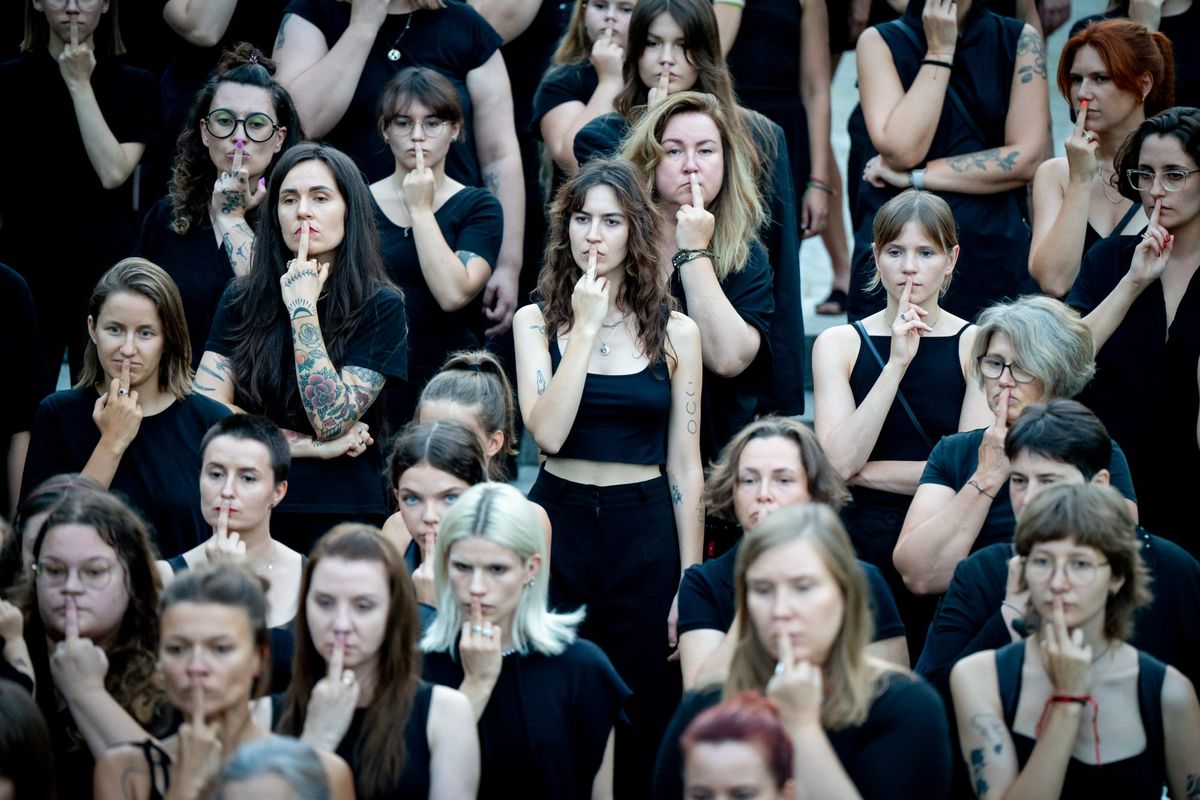
Nearly three years ago, Poland was the world's favourite democracy success story. Eight years of authoritarian rule were defeated at the ballot box. The celebratory headlines wrote themselves.
But today the idea that Poland is undergoing a truly progressive transformation is dead. Democracy continues to be gutted, but this time, it’s by the good guys.
We worked so hard for a better Poland. What happened?
Democracy is back... sort of.
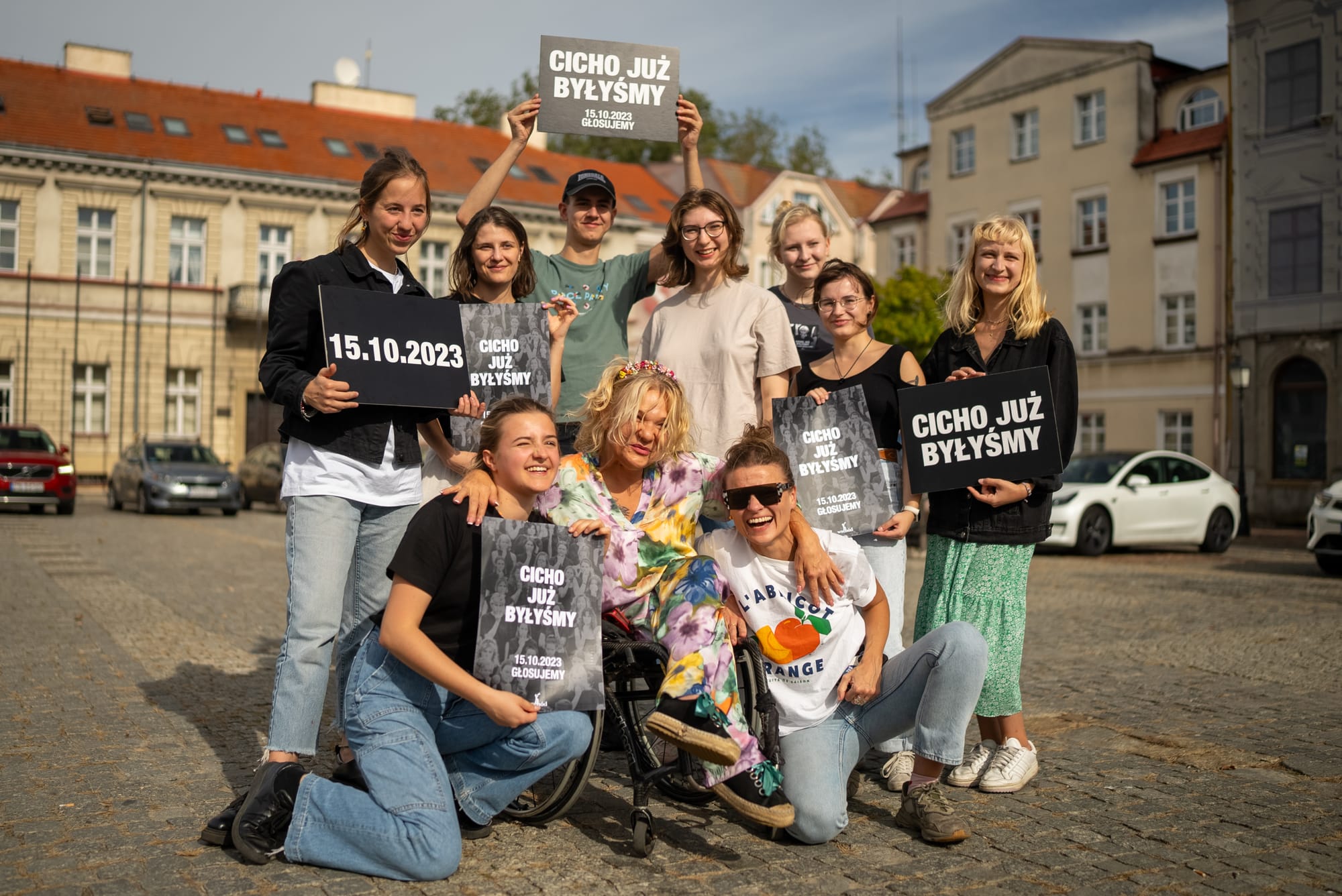
I remember the moment the results came in. I was in Warsaw with friends from WSCHOD — the Sunrise Initiative, our youth-led organisation — glued to the TV after months of exhausting work. The anchor finally called it, the opposition parties had enough to form a government, and the people around me broke down in tears. Women and young people had turned out in numbers nobody expected, and delivered the far-right a defeat that felt, in that moment, like a miracle. Anything is possible now, I thought, sobbing with joy.
We were naive
Before the elections, the thinking of civil society groups was simple: do everything possible to prevent a third term of the far-right Law and Justice Party. Any opposition coalition would deliver something better than the religiously extreme, authoritarian right, right?
We knew the opposition leaders were self-obsessed. We knew their parties were divided across the spectrum, despite rallying under the same pro-democracy banner. But if the moment was truly as monumental as it felt, surely they would rise to it.
We were naive.
Shortly after Donald Tusk, a centrist, from the Civic Platform Party, stitched together a coalition with the conservative Third Way and the progressive New Left, the headlines changed. The pledges to fix healthcare, reverse Poland’s ban on abortion, to put citizens first, all quietly disappeared.
What followed instead was the previous government's agenda, repackaged with a slightly different aesthetic. Public media, once a propaganda arm of the right, was adopted by the new coalition, but didn't become meaningfully freer. Women's rights were moved to the back burner. Migration policy got harsher. The interests of ordinary people gave way to the millionaires.
The government drifted, visionless, while we were all supposed to be grateful that Poland was 'back on track'. I found myself angry, confused, and completely unprepared for this new reality.
What happened?
The overall pro-democracy ‘ecosystem’ in Poland had convinced itself that removing the right-wing government would solve everything. When we won, nobody quite knew what to do next.
The new coalition fell into internal squabbling, quickly forgetting the women and young people whose votes had actually won them the election. Civil society groups grew incredibly frustrated with the new Government. But in all honesty, civil society was in chaos too.
The enormous energy of our pro-democracy mobilisation could have gone on to fuel a real, forward-looking vision for the country. Instead, it led us into months of paralysis. We didn’t spend enough time during the campaign working out what we actually wanted Poland to become. And that came back to bite us hard.
Because you can push the bad guys out — but without a clear plan to repair what they broke, the good guys will have little checks in place to deliver something better. Without our lead and pressure, they quickly start serving us a sugar-coating on the same toxic machine.
What's our exit?
Heartbroken as we were, we are determined to keep going. The first thing we had to do was confront the gap we'd left in our own organising.
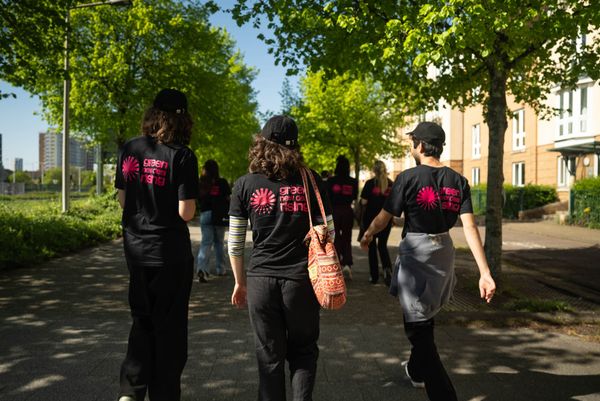
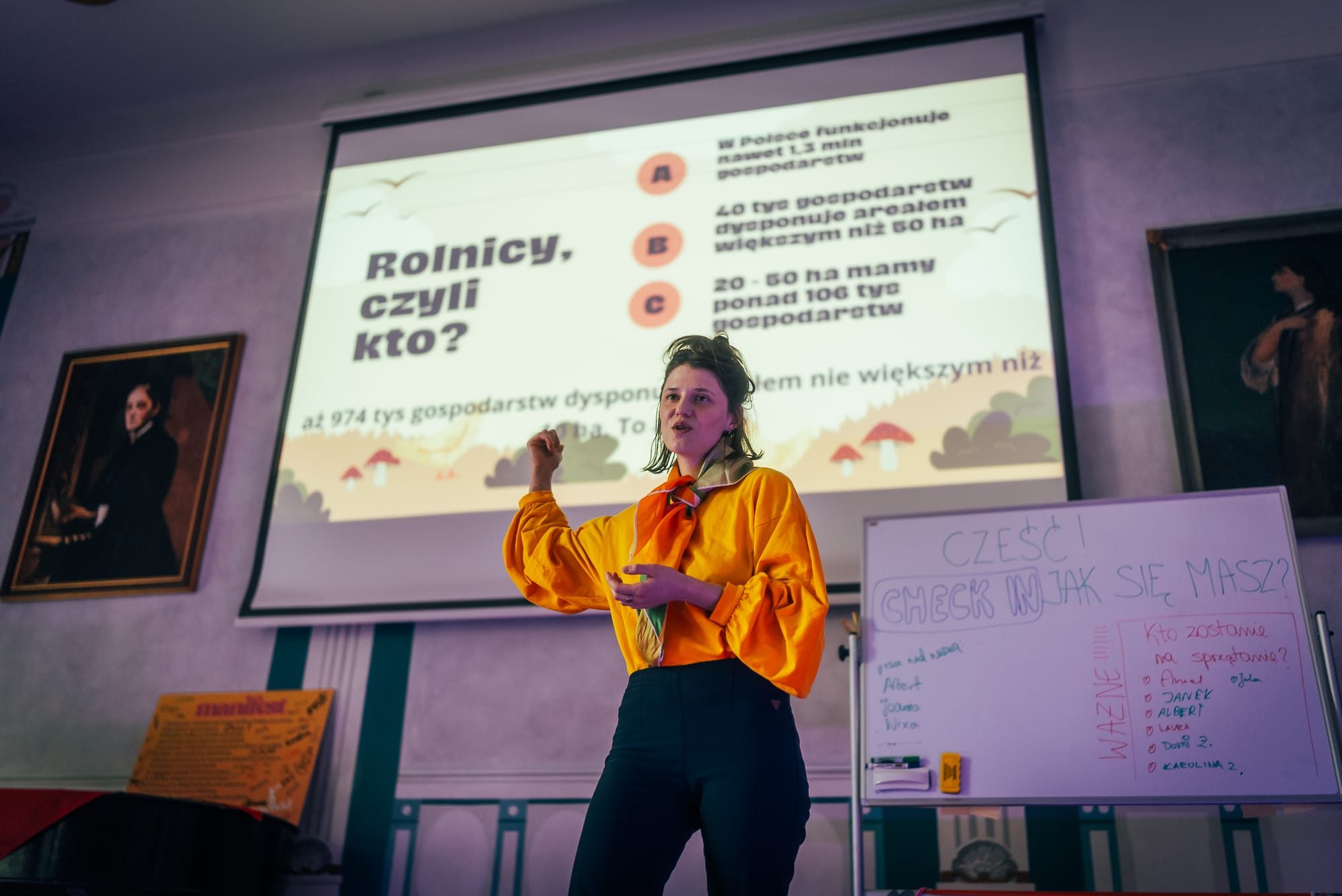
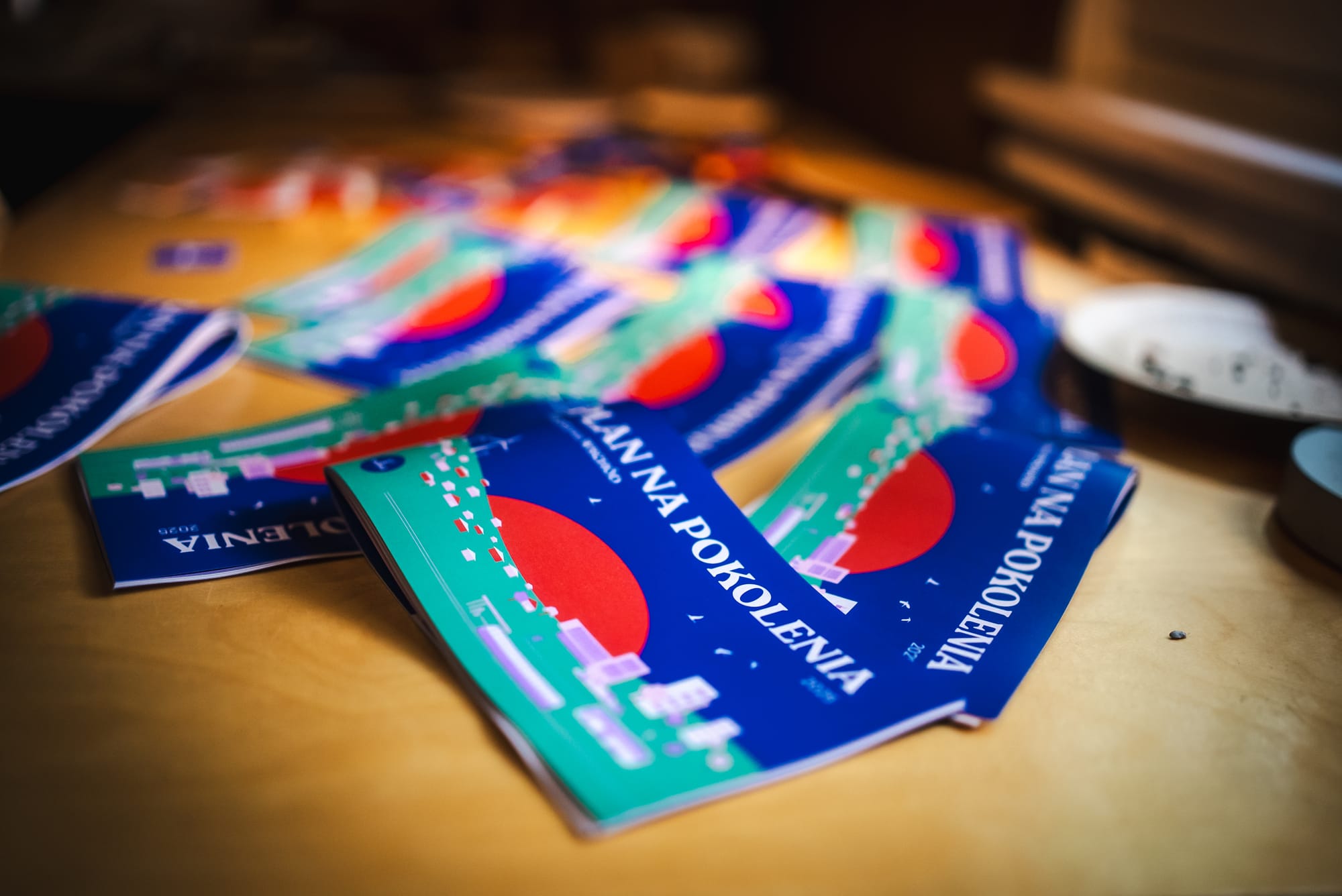
So we went back to basics. We hosted gatherings, revisited our values, and spent weeks debating solutions to Poland's biggest challenges. What emerged was the ‘Plan for Generations’ — a vision document, forty pages long, beautifully designed by our fellow artivists, laying out what a secure and just Poland could actually look like. It didn't make national headlines overnight, but it became the conceptual foundation of WSCHOD, and a way of bringing new people into what we were building.
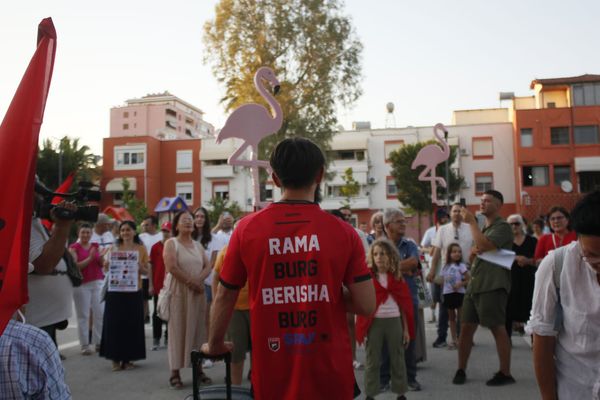
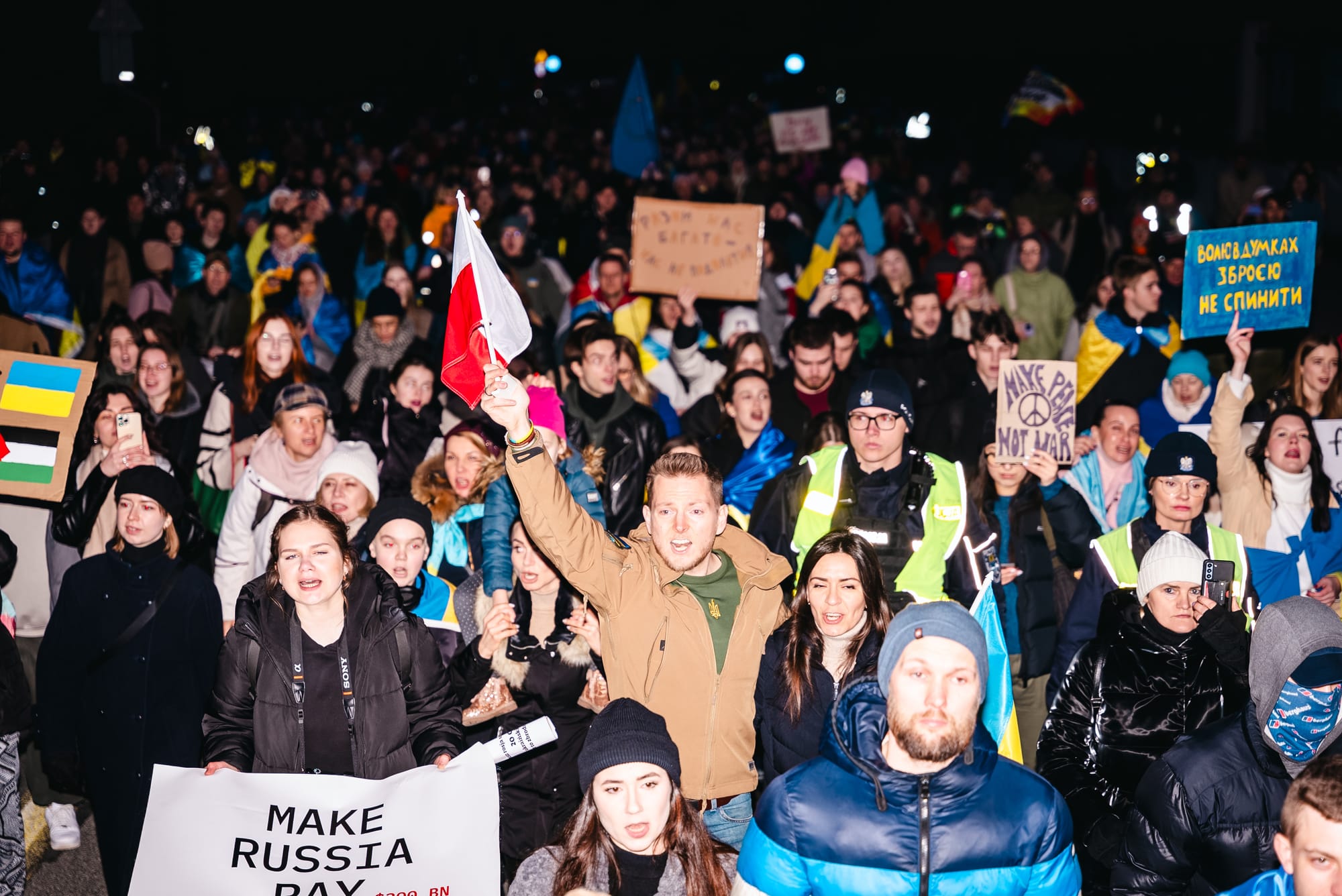
We also went out and protested — for Palestine, for Ukraine, for workers' rights and women's safety. These weren't the mass mobilisations we'd known during the Law and Justice years, but they reminded us of something important.
Movements do not exist to elect governments and then disappear. Their role is to organise people, build power, and create the conditions under which governments are forced to act. Whether those in office are enemies, allies, or something in between, that task remains the same.
Through these campaigns, we built relationships with people who had long understood this reality – trade unionists, disability activists, and others who knew that change is won through organised pressure, not simply delivered from above.
We are still learning what it means to relate to this government not as supporters waiting patiently for change, but as a movement capable of creating leverage. It's been awkward and messy at times. But we've kept moving forward, treating this government like any other government: something to pressure, challenge and hold accountable when necessary. It was that energy we brought to Piotrków Trybunalski when we disrupted a celebratory rally hosted by Donald Tusk on the second anniversary of the elections.
What's ahead?
As I write this, the far-right continues to rise in the polls, feeding off people’s dissatisfaction with a coalition that promised liberal and delivered conservative. Commentators are already talking about next year's parliamentary elections. It feels, at times, like an endless loop of the same bad dream.
And yet, we see our vision more clearly than ever now. Our focus is on working-class people, ordinary folks, our families, our friends. Our target is the self-absorbed political and business elite who have been gambling away our futures time and again. And we’re approaching this as a marathon, not the sprint around election day that exhausted us last time. I don't know when the Poland of our dreams will arrive. But I do know we won't stop organising until it does.
The hard lessons of 2023 and everything that followed have taught my generation that governments will come and go. Elections will be won and lost. Politicians will make promises, break them, and make new ones.
Our task is different. It is to keep building the power needed to shape what comes next.