Beyond winning votes: UK elections as opportunities to shift the political conversation
If the government believes the real threat comes from the right, it will pull to the right. Our job is to change that story.

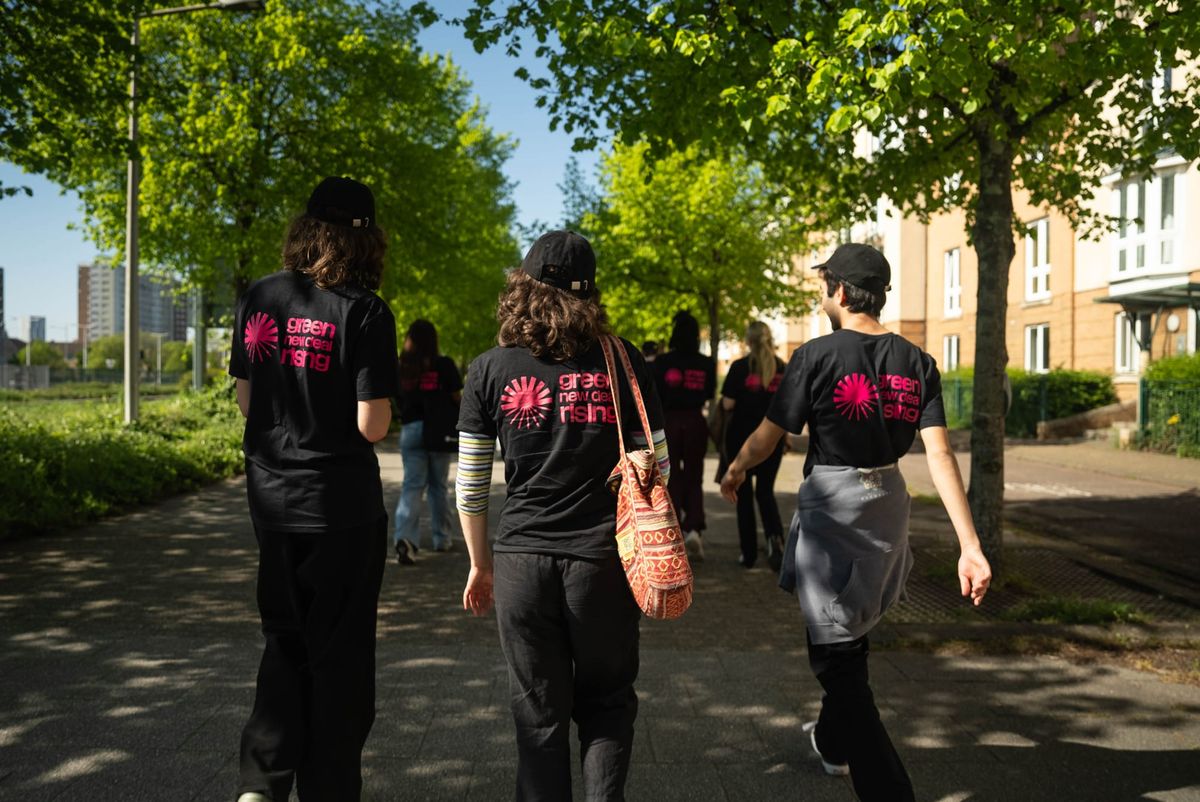
I’m part of Green New Deal Rising, a youth-led movement in Britain fighting for climate and economic justice. For the last two years we have spent a lot of our time on something movements like ours don’t work on much: elections. This is about how elections are opportunities to tell a new story.
After a landslide victory in the general election of 2024, the UK Labour Party’s popularity fell fast, fuelled by a series of unpopular decisions, u-turns and an unpopular leader in Keir Starmer. Their traditional rivals, the Conservatives – who’d just lost the election – also continued to collapse. The received wisdom was that what largely filled the vacuum was Reform UK – Nigel Farage's right-wing, anti-immigration party. Soon, every decision, every poll, every political development was read through a single question: how could Labour stop Farage at the next general election?
For us, that question, that constant framing, was the problem we needed to solve. By changing the political conversation, Reform was influencing government decisions – pulling Labour rightward on immigration, welfare, and the story it told about being British.
Labour believed Reform was its only electoral threat. And by believing that, it kept fuelling Reform and Farage’s popularity.
At Green New Deal Rising, we don’t want to limit our job to pressuring whoever happens to be in power. Working with pressure alone preserves the type of government you actually are trying to change. What we want to do is change who is in power, and what they believe is possible.
That’s why we now treat elections as key moments of leverage. Winning seats for candidates that believe in climate and economic justice matters, of course. But for us, what gets said about a result afterwards matters more. The story that’s told and the story that takes root around who won, why, and who’s blamed for the loss is what influences long-term policy. Which threats are treated as real, and which are waved away. Governments act on that post-election story. It tells them where their votes are leaking, and what they have to do to stop it.
Going into the 2024 general election, we put almost everything we had into electing what we call ‘Green New Deal Champions’: candidates from across the political spectrum who would commit to fighting for climate and economic justice, and who would stand up for younger generations once they got to the seat of Parliament in Westminster. Twelve of our Champions won and are in Parliament now.
But that didn’t dominate the narrative coming out of the election. On paper, Labour's 2024 majority was overwhelming. It was a ‘landslide’, after all. But underneath their win, things were far weaker: the party had won seats on one of the smallest vote shares any majority government has ever won. Crucially, polling suggested it was losing more voters to parties on its left than to right-wing Reform. But the Westminster bubble wasn't listening. Almost the entire conversation was about the right.
We learnt that lesson. And luckily, we’d built an organising machine that we could leverage for future elections.
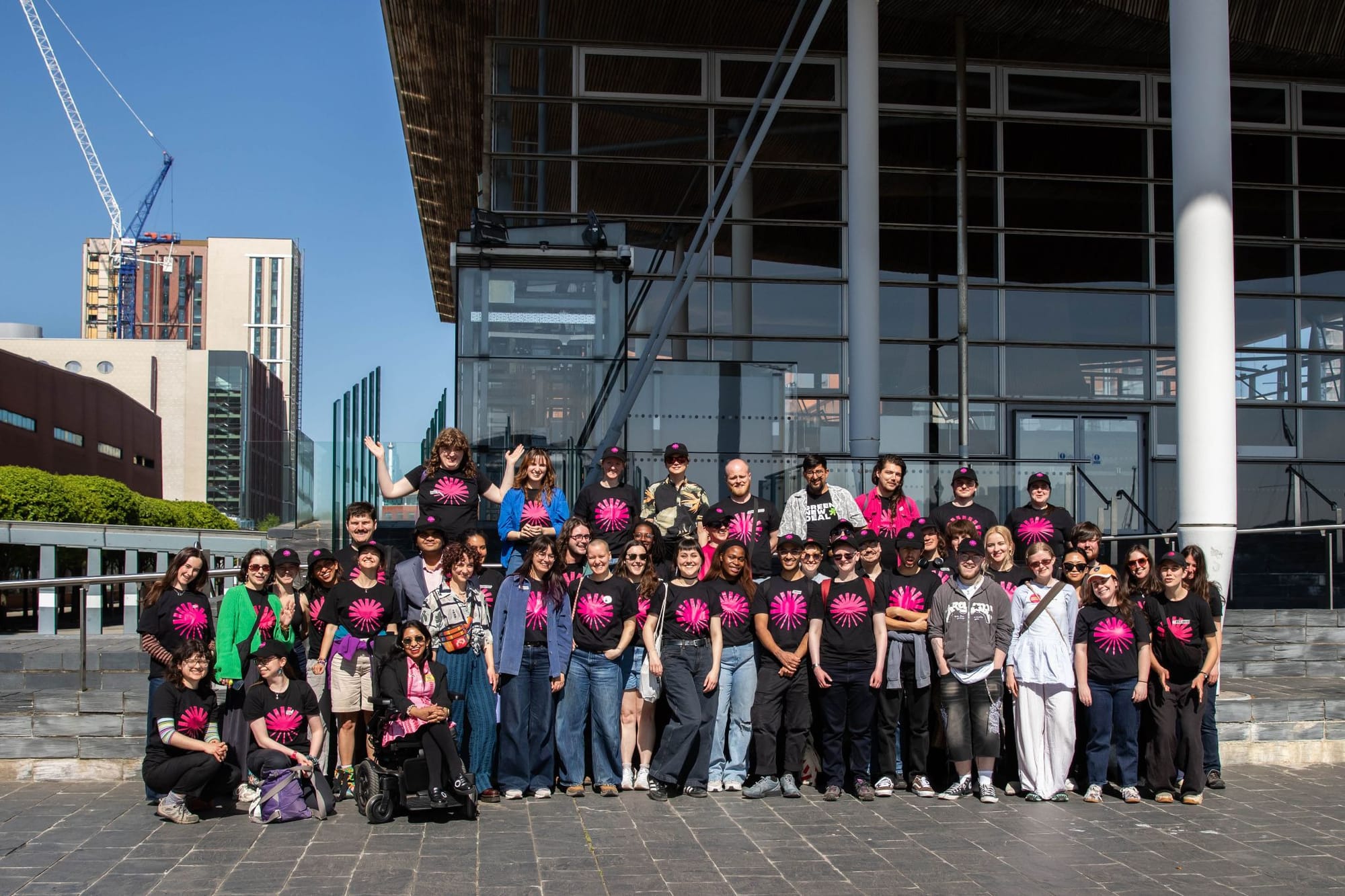
By the end of our 2024 general election campaign, we had people who knew how to canvas, work a phonebank, and hold conversations on doorsteps with people who didn't agree with them. More importantly, we had people who knew how to teach someone else to do the same.
This apparatus is still working, two years later. And with it, we wanted to know: could we get Westminster to believe a different story about voters leaving Labour?
The first tests came in two parliamentary by-elections. Our volunteers supported candidates standing to Labour's left. Both seats were taken from Labour (one to Plaid Cymru, one to the Greens), and in both, Labour finished third. These elections put the facts on the table: the energy moving away from Labour was not all moving towards Reform.
Then came May 2026 – local elections of councils across England, and national votes for the Scottish Parliament and the Senedd in Wales. It was the biggest electoral test of Starmer's government before the next general election, and everyone knew the result would be read as a verdict on the Prime Minister.
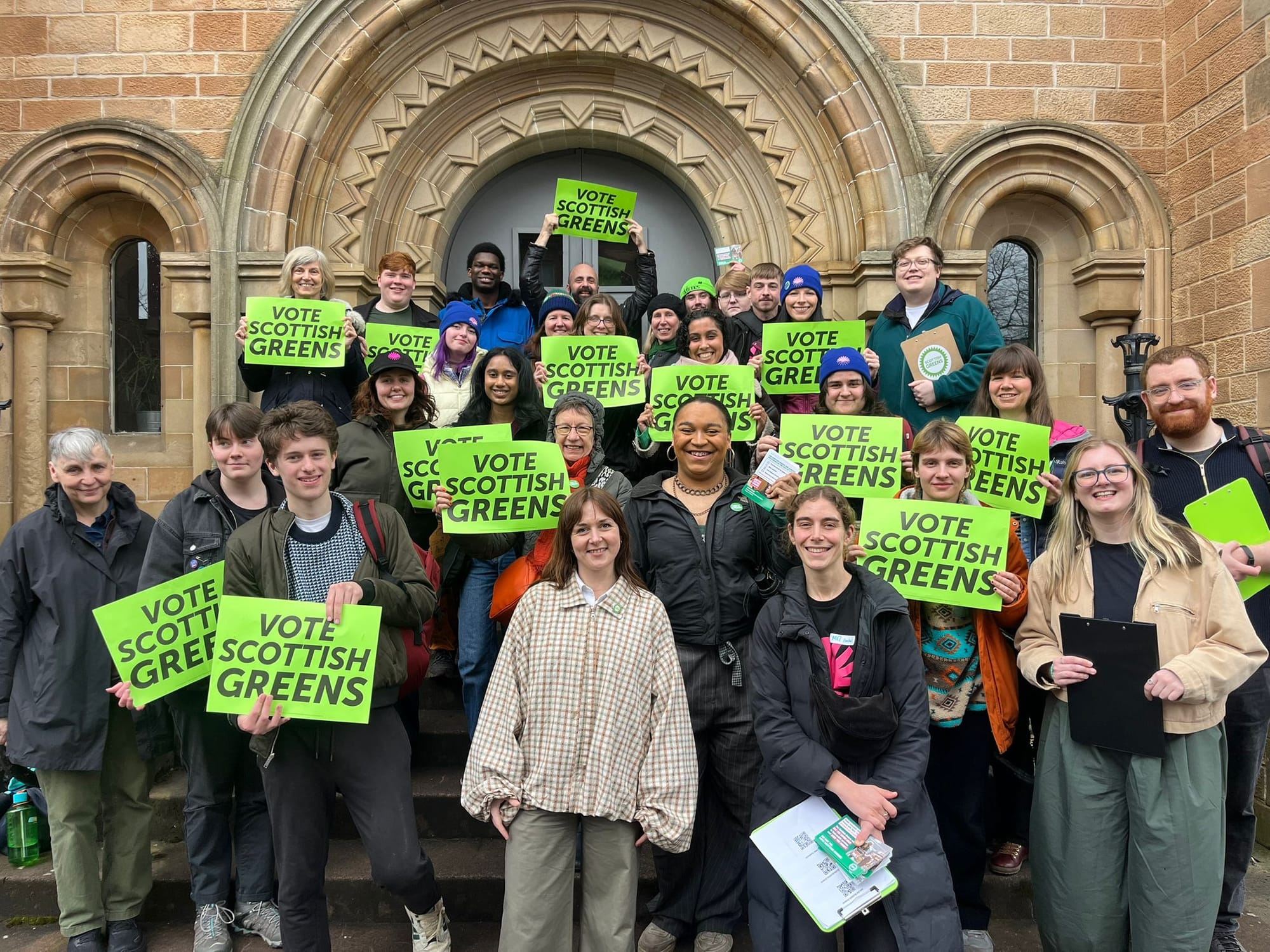
We campaigned in these elections with two goals: win seats, and grow the progressive vote share enough that it counted and told a different story – different enough that Labour's strategists and the press would discover the left flank as a real threat to the government’s power.
That meant reaching a long way past the people already on our lists. So we built MyElectionMap.co.uk: a place to write your postcode, and find the progressive campaigns and candidates near you and how to join them. We ran canvassing training around this work every week (mass canvasses organised by our local teams), and open research sessions where volunteers checked and updated the map for candidates, wards, and contact details – so it stayed accurate as nominations closed and campaigns moved forward. The aim was that someone with no experience could find a campaign, turn up and make a difference.
We hit both our goals. By election day, 115,000 people had used My Election Map. The candidates we backed gained an average of 15% in terms of vote share, and more than two thirds of them won. When the polling came in on where Labour's 2024 voters had gone, 22% of them had switched to the Greens. Only six per cent had gone to Reform.
We changed the story. Labour's problem isn’t just on its right. There is a constituency to its left that is larger, better organised and more willing to punish the government than the Westminster bubble realised – and this constituency can be won back by taxing wealth instead of squeezing public services, and by treating climate and economic justice as the big vote winners they are.
Fast forward to this summer, and Starmer has resigned. Andy Burnham’s the new Labour PM. And the question for him is the same: which threat is the biggest, the one on his right or on his left? The answer will shape what he does next – what gets funded, who gets blamed, and what a Labour government believes it can do. We’ve spent two years making sure the left threat is heard. With Andy Burnham in power, we’ll soon find out whether he can hear it.